

Clip Arts
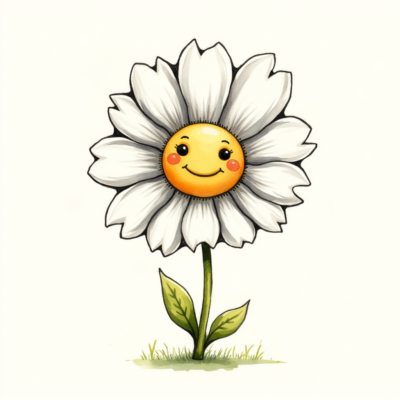
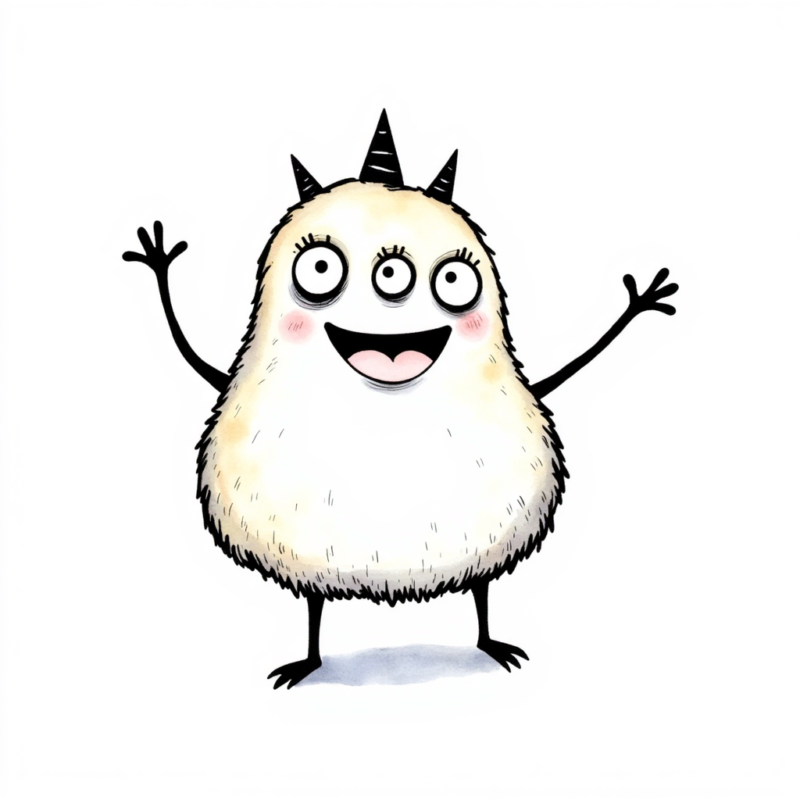
Naive Childlike Line Drawings Clip Art Package
Jun
In an era dominated by hyper-realistic 3D renders, ultra-slick corporate vectors, and perfectly symmetrical layouts, a quiet revolution is happening in the design world. Creatives and consumers alike are fatigued by sterile perfection. Instead, they are craving something deeply human, nostalgic, and authentic. Enter childlike line art. This intentional, naive style of illustration captures the uninhibited, raw creativity of childhood, translating it into a powerful tool for modern branding, merchandise, and editorial design.
By stripping away complex shading and rigid geometry, childlike line art forces us to focus on the core emotion of an image. If you have been looking to inject warmth, approachability, and a touch of whimsical storytelling into your creative projects, this design style is your golden ticket. Let’s dive deep into why this trend is taking over the creative market, how you can implement it, and how our curated package can elevate your workspace.
The Irresistible Appeal of Naive Design
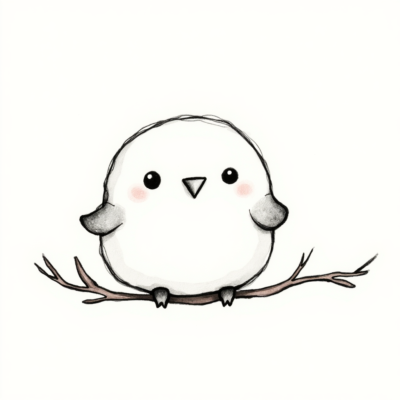
Why does an imperfect, squiggly line resonate so much more deeply than a perfectly rendered vector? The answer lies in psychology. Perfect designs feel transactional; they feel like they were manufactured by a machine or generated by an algorithm. On the other hand, a piece of childlike line art feels personal. It carries the invisible hand of the creator, evoking memories of simpler times when drawing was purely about expression, not technical mastery.
This art style operates on the principle of art brut or raw art. It bypasses our logical critiques and speaks directly to our inner child. For businesses and creators using the Shop Techdhami Collection, integrating these elements is an effortless way to break down barriers with an audience, building immediate trust and emotional rapport.
Key Features of High-Quality Childlike Line Art
Not all simple drawings are created equal. To make an impact in the professional market, naive illustration must be intentional. Here are the core characteristics that define high-quality childlike line art:
-
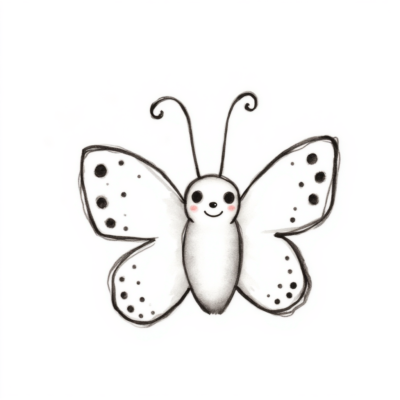
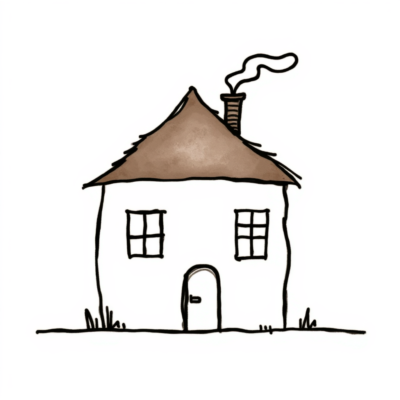
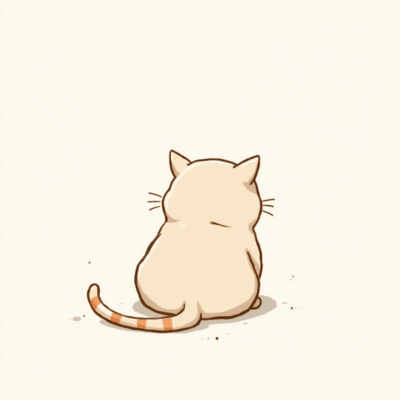
Deliberate Imperfection: Lines that waver slightly, corners that don’t perfectly meet, and asymmetric shapes that feel organic.
-
Expressive Simplicity: Conveying an emotion, an animal, or an object with the fewest lines possible.
-
High Contrast: Clean, distinct line weights that stand out beautifully against both solid backgrounds and busy patterns.
-
Versatility: Artwork that can adapt across mediums, from digital screens to textured paper stock.
Practical Use Cases and Applications
The beauty of a minimalist, naive aesthetic is its incredible versatility. Because it isn’t tied down by complex color palettes or dense textures, it can fit seamlessly into an array of industries.
1. Apparel and Print-on-Demand (POD)
The streetwear and indie fashion scenes have heavily embraced raw, unpolished illustrations. A single, poignant doodle on a heavy-weight cotton t-shirt or embroidered on the corner of a hoodie creates an instant high-fashion, indie-label vibe. It’s an incredibly profitable niche for print-on-demand sellers looking to stand out in a saturated market.
2. Boutique Branding and Packaging
Imagine a luxury skincare line, an artisanal coffee roaster, or an organic bakery. Instead of a cold, geometric logo, they utilize a simple hand-drawn motif. This immediately signals to the consumer that the product inside is crafted by real humans with care, authenticity, and natural ingredients.
3. Stationery and Greeting Cards
The greeting card industry thrives on emotional connection. Whether it’s a birthday card, a sympathy note, or a whimsical art print for a nursery, childlike line art communicates raw human emotion more effectively than a glossy photograph ever could.
4 Top Tips for Designing with Naive Graphics
If you are ready to incorporate these graphics into your workflow, keep these professional design tips in mind to ensure your layouts look sophisticated rather than accidental:
Mix with Clean Typography
To make your naive drawings look like an intentional design choice rather than a mistake, pair them with crisp, modern typography. Think elegant sans-serifs, clean geometric fonts, or editorial serifs. The contrast between the rigid, perfect text and the fluid, imperfect drawing creates a beautiful visual tension.
Experiment with Bold Color Blocks
Don’t feel restricted to black and white. Place your minimalist line drawings over large, abstract shapes of muted pastel or vibrant earthy tones. This layering technique adds depth and a contemporary editorial flair to your graphics, which you can easily test using assets from our digital inventory at the Techdhami Digital Shop.
Scale Judiciously
Because these lines are clean and high-resolution, don’t be afraid to blow them up massive. A tiny, intricate doodle blown up to cover an entire tote bag or poster creates a bold, modern minimalist statement that catches the eye from across a room.
Keep the Layout Spacious
Give your artwork room to breathe. The minimalist nature of naive design requires ample white space (negative space) around it. Avoid overcrowding your canvas; let the simple lines do the heavy lifting.
Frequently Asked Questions (FAQs)
What makes childlike line art different from regular clip art?
Standard clip art is often generic, symmetrical, and mass-produced, aiming for technical perfection. Childlike line art focuses on human expression, intentional asymmetry, and a raw, hand-drawn feel that tells a distinct story.
Can I use these graphics for commercial projects?
Yes! When you source your design assets from reputable platforms like the Techdhami E-Commerce Marketplace, commercial licenses are included, allowing you to create products for sale, client designs, branding packages, and physical merchandise.
How do I edit or change the colors of these line drawings?
Because the files are provided as transparent PNGs, you can easily open them in any standard design software (like Adobe Photoshop, Illustrator, Canva, or Procreate), apply a color overlay, or use vectorization tools to modify the strokes to fit your exact brand palette.
Are these files suitable for sublimation printing?
Absolutely. High-resolution PNG files with transparent backgrounds are the industry standard for sublimation, screen printing, and direct-to-garment (DTG) printing, ensuring crystal-clear edges without ugly white boxes around the art.
Conclusion
Embracing the beauty of imperfection is more than just a fleeting design trend; it’s a timeless approach to connecting with people on a purely human level. By integrating childlike line art into your creative toolset, you open the door to designs that feel cozy, authentic, story-driven, and unforgettable.
Ready to transform your creative workflow? Don’t spend hours trying to artificially recreate the perfect level of imperfection. Head over to our catalog at Techdhami Premium Goods and download our curated collection of hand-drawn assets to start crafting beautiful, high-converting products today!